Start typing and press enter to search
Redvespa News
Leadership & Development
Business Optimisation
Business Analysis
For Good
Outputs aren't outcomes. Matt Duce breaks down why Business Analysts should care enough to ask ‘So what?’ - and how to balance detail, speed, and quality.
Mid-century pop star Lesley Gore constantly evolved her career, moving from teen idol to acclaimed songwriter on her own terms. Taking charge means refusing to let others limit your potential — focus on finding the fit that works right now.
You can't get to a good decision if people are afraid to speak up. Creating a supportive environment gives your team the room to tackle uncomfortable truths head-on, step back from the emotion, and focus on solving the actual problem.
In a world where machines can perfect our language, messy, authentic human conversation is where the real work happens. Discover why making space for curiosity, trust, and even a little awkwardness is your greatest superpower.
We often trust credentials and speed over hard evidence. But, when feedback loops break, the damage is expensive. Great decisions demand real-world inputs, curiosity, and human judgement over the appearance of certainty.
You don’t need a formal business case to benefit from the thinking involved. Utilising Business Case Thinking means adapting the core questions typically found in formal proposals to provide the structure and clarity required for any investment decision, regardless of its size or complexity.
You know the tune in your head but no one else does. When you try and tap it out, chances are they still don't know what it is. That's the curse of knowledge, and it's why your updates might land with a blank stare. The Ladder of Abstraction is a fix that can help you meet people where they are.
We keep mistaking a willingness to use AI for real understanding of it. Here's why enthusiasm and literacy both fall short on their own, and why rigour is what actually catches the gap between them before a customer, or a tribunal, does it for you.
Speed is easy to mistake for value: in your own career, and in how organisations are rushing to deploy AI. But speed isn't strategy. Frameworks and case studies can teach the theory, but they can't replace patterns built through experience. Here's why BAs should slow down before they lead.
Starting is the hardest part of creating content: whether you're writing and article or report, or developing a presentation. Storytelling frameworks like SCQA are helpful in giving you structure, but they necessarily don't give you a way in. To find a better entrance, kill your first sentence.
Top-down mandates to rapidly adopt new technology can easily trigger a rush to buy new tools simply for the sake of it. NZ's leaky home crisis provides a parable to steer us away from automating chaos and towards staying tool-agnostic.
We've built an AI policy with a "measure twice" approach: fit for purpose, practical, with a client lens and maximising safe, responsible use with cultural integrity and legal compliance. We believe in living documents, which grow and change with us: sharing our approach is a big part of that.
The best business analysts are "bloody useful," reducing client fatigue by knowing when to push boundaries, how manage office politics wisely, and being adept at delivering actionable, well-received outputs at pace. Matt Duce shares some useful frameworks to help lift you to "bloody useful".
We've taken lessons from the curious to explore the forms, sizes, and shapes that curiosity comes in, crafting profiles to help you harness curiosity as a collaborative super power.
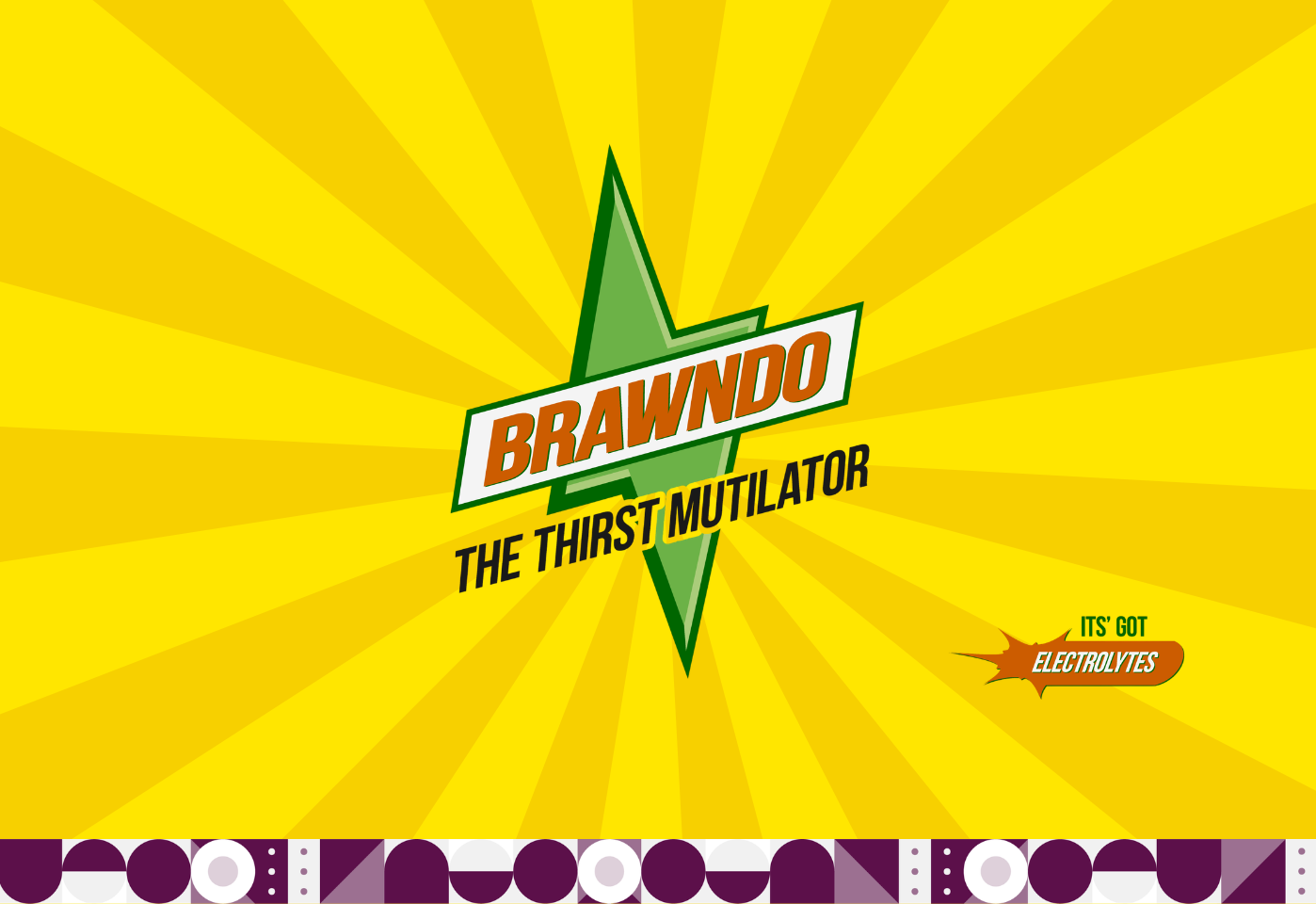
The Brawndo Problem is the failure to solve the right problem when a solution is adopted too early. Good business analysis relentlessly asks useful questions during discovery to define the actual problem before you go all in on watering plants with energy drink.
New technology used to come with time; to adapt and legislate (and for the elite to hold the controls). Modern tech doesn't bring the luxury of time, which has left our guardianship in second gear. We're running out of time to balance innovation with sustainability.
When our process is exhaustive, and our communication style mirrors that by default, we risk asking stakeholders to climb the mountain with us when they’re happy at the camp; it’s time to stop justifying the journey and start at the summit.
While ChatGPT and other LLMs dominate the conversation, the real shift is moving past the hype to understand which specific AI tools - from simple rules to agentic systems - actually fit the problem you’re trying to solve.
When you position yourself as the hero, your stakeholders become passive observers of your journey rather than active participants in their own. That's where the Alfred Effect comes in; helping you inspire change and bring people with you.
When a story looks exactly like the last five we’ve heard, our internal software guesses what comes next. It's time to break the guessing machine.
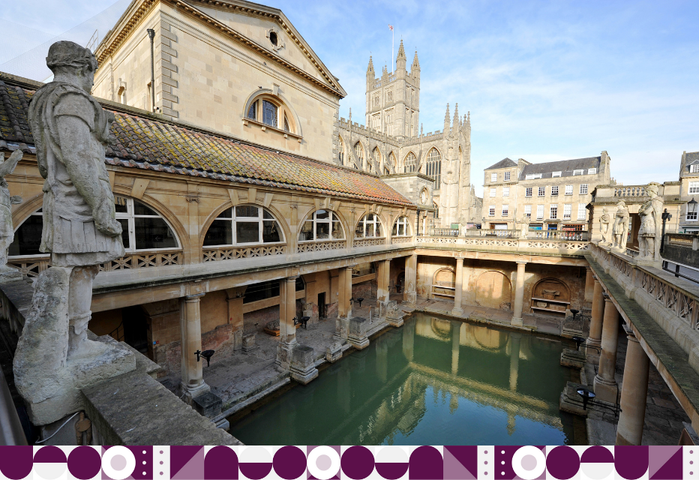
Roman baths might be the blueprint we need for modern ways of working. But office environments don't follow that blueprint, and that's where business analysis can help create the right conditions (without needing actual baths).
Too many organisations see curiosity as a fluffy, nice-to-have. The truth is, it's the key to unlocking innovation. Here's the business case behind that.
COVID lockdowns made hybrid our default way of working, but 'default' can mean we forget 'intent.' Here, we check-in on hybrid, intentionally.
As councils across New Zealand reset post-elections, Brigid Withers shares insight on the importance of being engaged in local government and the support Redvespa provides.
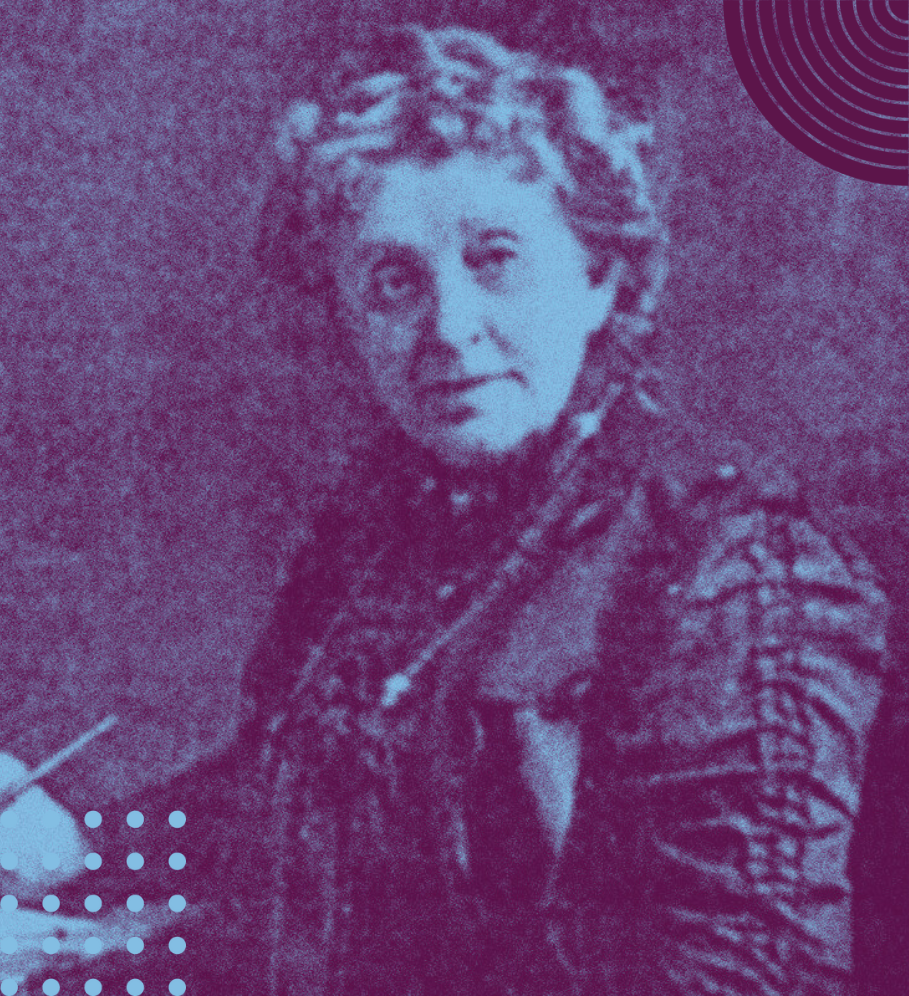
Stories from the Blueprint presents short stories which show how innovation grows and is fostered to realise world-changing innovation: this is the story of Josephine, the socialite who modernised domestic life.
Redvespa's CEO Sarah Gibson explores how human-centred insight, critical thinking, and trust from business analysts complement the rapid information processing of AI.
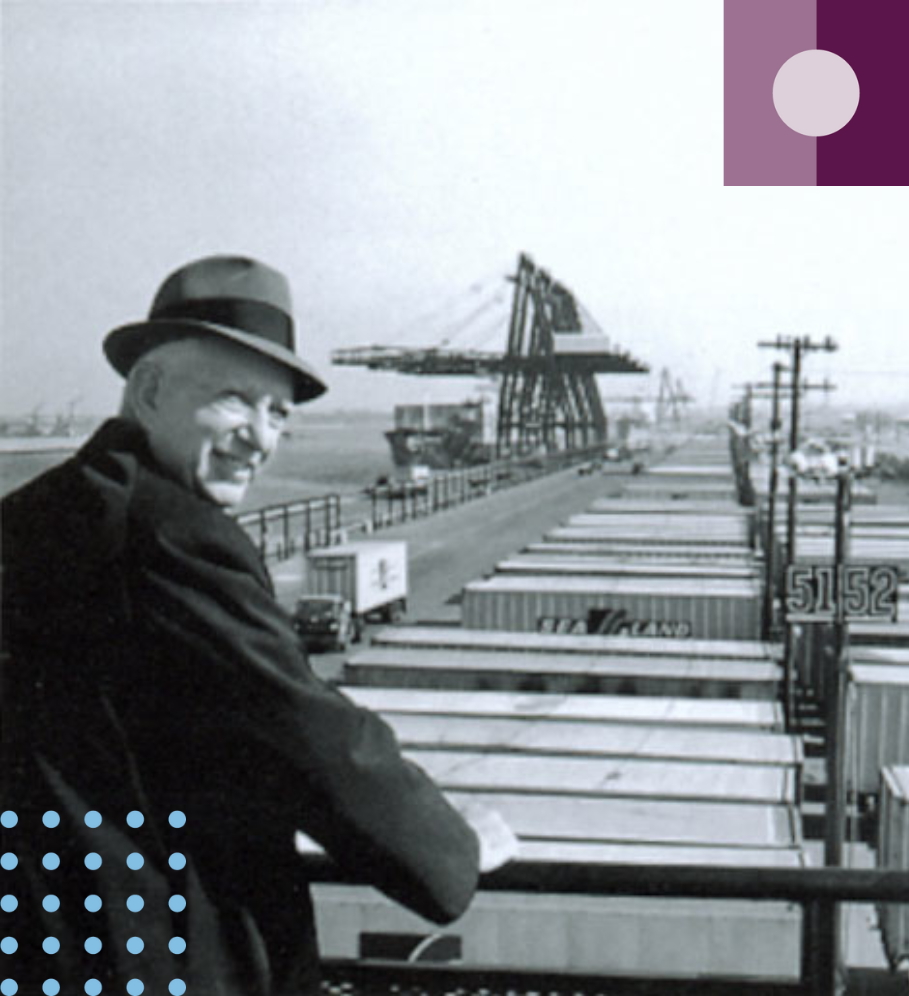
Stories from the Blueprint presents short stories which show how innovation grows and is fostered to realise world-changing innovation: this is the story of Malcom McLean, the man who revolutionised the shipping industry.
Janet Noble reflects on how her mother's empathetic approach to clients - built on listening - shaped her own approach supporting a client to navigate big changes.
Client interviews are second-nature for Redvespa consultants. Here, Pam Wright shares the conversation about interview skills from a simple coffee chat with her colleagues.
The Global Innovation Index provides an annual, independent perspective on innovation across the globe - we provide some context to where New Zealand sits, and where we need to start moving.
The Global Innovation Index paints a picture of a New Zealand engineering sector which is struggling with graduates - the sector seems to agree ... and isn't sitting on its hands waiting for others to face up to the challenge.
The science sector in New Zealand is filled with debate about funding and focus: and this contrast is reflected in Global Innovation Index scores. We look at how it plays out across two key inputs: graduates and R&D.
It's human nature to seek solutions. We're wired to resolve problems, but rushing to solutions isn't always effective: whether you're faced with real teeth or a project with some.
Taskmaster - the British comedy show synonymous with ingenious problems and solutions - provides many, many lessons for life in the real world, especially for BAs.
Asking questions helps us make better decisions, solve problems, and build relationships, but what makes a good question?
Introducing our Navigating Projects Toolkit; a set of cards which are the manual to unleash potential in your projects and your people.
Exploring the similarities in framing, perspective, and focus between landscape photography and enterprise business analysis.
Exploring how the symbiotic relationship between the government and SMEs plays out, with a little Lion King to balance the tax insight.
For Redvespa, curiosity isn't a nice to have. It's an essential superpower. Here, Pam Wright continues exploring curiosity: from Ancient Greece & the Renaissance, to the Antarctic & Redvespa's own innovation research.
Leaning into an, otherwise unused, art history degree, Head of Community, Jamie Bell outlines five tips for using your imagination in business inspired by Renaissance artist, Sandro Botticelli.
Ever feel like your confidence comes and goes? One day you're on top of the world, the next you're struggling to keep your head above water. Don't worry, you're not alone.
Believe it or not, there's a lot BAs can learn from pirates - Matt Duce takes inspiration from the Pirate Code to help Business Analysts break the rules, navigate chaos, and seize opportunities.
As government departments and large corporates assess their partnerships for culture, value, and outputs alignment - Redvespa continue to be an agile option for getting stuff done - on time, and within budget.
We place immense value on transferrable skills so, when Senior Consultant, Yoong Ru Heng opted for improv classes as Learning & Development, the only reasonable answer was "yes, and..."
Senior Consultant, Jon Foulkes explores the nuances of risk management and mitigation in business projects and asks, how much risk are you prepared to accept?
Redvespa's CEO, Sarah Gibson, shares the unusual genesis of an idea which has led to two editions of a book, intended to help businesses plan projects, share information, and tell stories through diagrams.
In today's competitive landscape, providing a superior customer journey can give businesses a competitive edge. But how do you ensure you're delivering a positive experience consistently and know that it's paying off?
Business process mapping is an essential part of managing business processes. In this article, Moya Bawden and Jon Foulkes share eight strengths of business process mapping and why it is so valuable in the work we do.
What is business impact consciousness and why is it important? Sam shares why we need a change in the way we see business.
How Dungeons & Dragons taught one Consultant servant leadership, and how he takes that learning, and the role of Dungeon Master, to the project table.
New Zealanders - so quick to stand up against the nuclear might of America, so reluctant to give feedback to a colleague. Aaron Power explores why we’re so scared of conflict, and what to do about it.
Three insights to help unleash potential in small businesses.
How Small to Medium Enterprises (SMEs) can meaningfully conduct business continuity planning to ensure the security of their small business during uncertain times.
Imagination is often referenced as something we lose as we age. The good news is your imagination can be developed with time and practice, benefitting workplace problem solving and innovation.
Making design frameworks work, with imagination. Design Thinking has become more-or-less ubiquitous in NZ somewhere in the middle of the current decade. Redvespa’s experiences with our clients over the last 5 years certainly reflect this.
Purpose matters in people’s buying decisions, particularly for smaller, local businesses. But how much do you control how purpose translates into customer experience? How do you protect your purpose?
In 2015, the UN published their Sustainable Development Goals: a blueprint for a better and more sustainable future. In 2019, Redvespa assessed how best to contribute to that future.
Imagination can bring the biggest innovations - but it’s often not a quick win. Here, we make the argument for investing in time for innovation.
Engaging people remotely, when attention spans are outlasted by goldfish.
0508 REDVESPA
hello@redvespa.com