


Start typing and press enter to search
Start typing and press enter to search
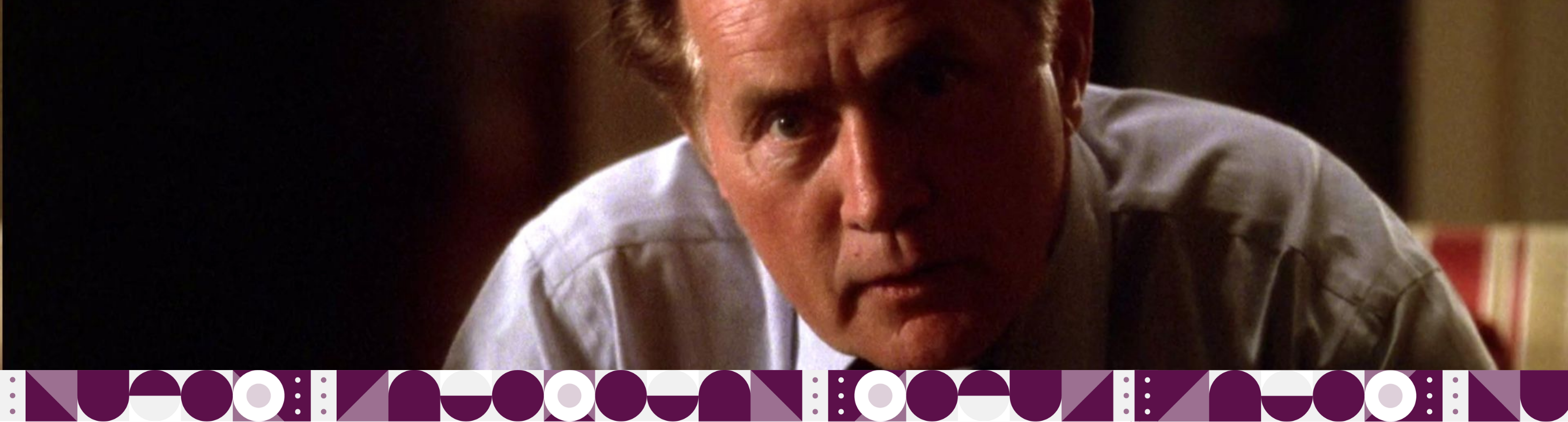


One of the best tv episodes of all time is 17 People from The West Wing - I am ready to fight anyone on this.
It’s written like a play with three stories unwinding over 45 minutes. It’s contained to just a handful of sets and the core players so there’s not a lot of time and not a lot of resources to play with. Sound becomes another character to tell the story. It opens up with Toby bouncing a ball in his office and the sound of the ball hitting the floor and walls imitates the sound of the heartbeat. We know a difficult conversation is coming, as Toby works his way to untangle the motives of another character from a few seemingly random actions. The ball continues bouncing and the tension continues to build.
It’s familiar ground for a lot of business analysts. There’s a snippet of information that doesn’t quite sit right, phantom threads weaving one concept to another. And as you clarify and validate and correct, it starts to come together. That heartbeat starts to become a panic attack. You know there’s an argument coming.
The difficult conversation isn’t always between us and a stakeholder. A lot of the time it’s between stakeholders and you’re there trying to circle back to what needs to be delivered. The worst case scenario is you’re left to mediate when emotions are high and there just isn’t enough time (“it’s only a 15 minute standup guys”).
There’s an instinct to avoid the conversation or to rush through. It’s so uncomfortable and the sooner you get through it, the better. In the world of projects, disagreements can be blockers. Once you have a decision, it’s great because you can move forward. It’s over, lets forget about it.
We miss out on a lot when we rush through difficult moments. Even in the crunch of looming project deadlines, we should be able to find the time to let the painful conversation breath and happen. The long term benefits can outweigh the short term pain.
There’s more to having these conversations than just booking in a slightly longer Teams meeting. Creating a safe space for stakeholders and team members is one of the first steps of setting up a difficult conversation. A space where people can be honest, where stakeholders are supported to understand a different view and supported to sit in a moment of discomfort.
It can feel like slowing down. When you give people safety to be open and you set the scene for an objective examination of an issue, successful difficult conversations can help build trust within a team. When you establish that trust teams often find themselves more comfortable to have deeper, more meaningful conversations and make better decisions. And slowing down at the right point to have that conversation can mean that when another difficult conversation has to happen, it can happen more quickly.
In the episode (spoiler alert), Toby’s figured out the President had kept the truth about his illness and didn’t intend to run for a second term. His boss, Leo, is the one to let the President know that Toby knows and that they need to talk. The conversation happens between other high stakes matters being managed, just enough space for an argument to land and then they get pulled into other things. It ends with a capitulation but there’s no real resolution (there’s still like 5 episodes in the season). It’s great TV but not quite how you want to manage it in real life
Making sure everyone involved knows what is trying to be achieved and what they can expect when they walk into the room may seem like simple things but can often be forgotten in the increased anxiety of the circumstances.
Before sending out an agenda, try validating your approach with a colleague or a friendly stakeholder, a second pair of eyes and confirmation you’re on the right track can shore up your confidence. They may also be able to give you an early heads up of what could be coming your way. Alternatively, you could try validating with someone you think is going to be difficult to manage in the session. If they have a say in developing the approach they may feel more invested in making sure the conversation runs smoothly.
Knowing which conversations to have is critical. It could take the form of a structured debate, a series of honest questions or an animated discussion. There are a lot of techniques and frameworks that can help you prepare your talk points, help you frame up a conversation right, help teams communicate, ensure people feel safe etc. Picking the right tool or framework usually starts with knowing your people and having some ideas of what the end goal is.
Navigating difficult conversations through honesty and objective assessment can help build trust within a team because you’re demonstrating that this is a conversation happening to make sure your decision-making has rigour. One of the best things 17 People does is demonstrate the separation of attacking the problem and not the person. The poor decision is examined and criticised consistently but never someone’s character.
There’s a scene where Toby lays out three different views to the issue that his difficult conversation is centered around to his boss, Leo. He does this by wearing three different hats (a member of the Democratic Party, a voter and a political operative). You know he’s angry but the logic is sound, he divorced himself from the emotion to examine the issue through different angles. It’s a great technique for preparing yourself for a difficult conversation. It forces you to weigh up your arguments and prepare for the counter.
The other two storylines are great examples of good debating (explicitly refuting the central point/citation of legislation and interpretation etc) and bad debating/good comebacks (“I could have responded but I’d already moved on to other things”). But I got all this from just one of the storylines so I’ll save my dissertation on the benefits of debate for another time.
One of the best tv episodes of all time is 17 People from The West Wing. I am willing to debate this because I think everyone should watch The West Wing and I love people discovering the show and having people to chat with. We can discuss it through a few different angles (best bottle episode, best episode from a political TV show, etc) and structure it so we both get enough time to lay out our arguments, grab some coffee, or share clips. During this debate, I promise not to insult your TV watching habits and if you convince me to give your show a try, I’ll pay for the coffee.
Poonam is an Auckland-based Redvespa Senior Consultant. We're not saying super-fandom of The West Wing is part of what makes her such an exceptional BA, but we're not, not saying that.
Link copied to clipboard


